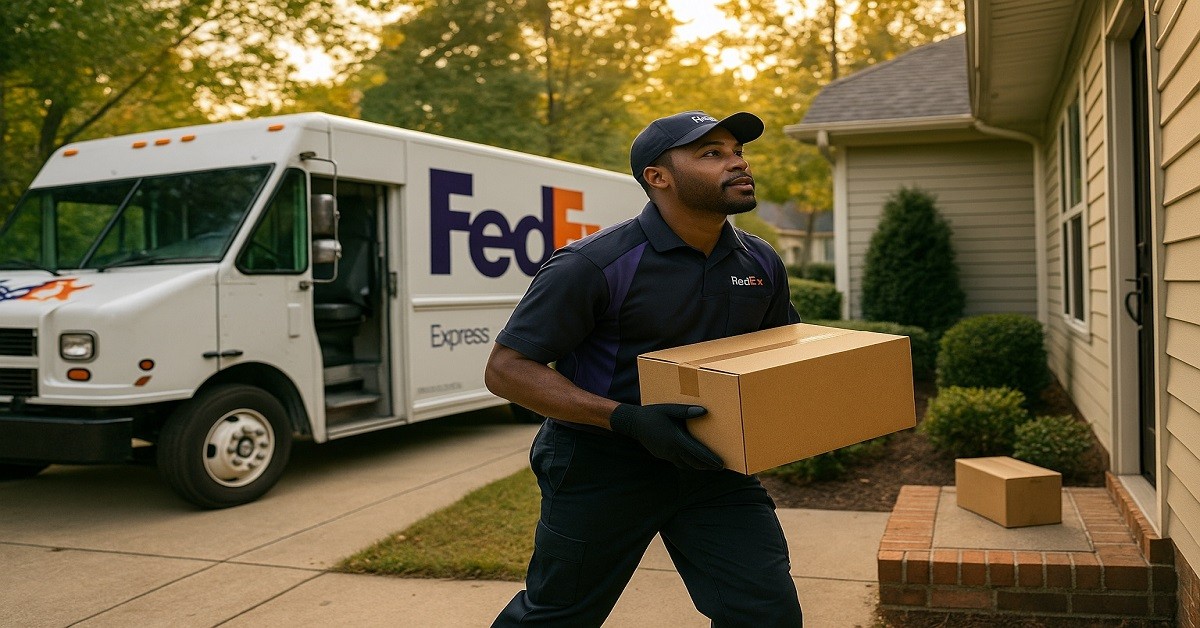
This Uber Eats driver jobs guide takes you to the bottom of the issue.
You pick up orders from restaurants, stores, or grocers and deliver them to customers. You choose when to go online and which offers to accept.
Before you accept, you see the upfront payout for that delivery.
Basic Uber Eats Jobs Requirements (U.S.)
Age and mode: 19+ for car or scooter; 18+ for bicycle/on foot.
Documents: Valid driver’s license (car/scooter), SSN for a background screening, and any required registration/insurance for your vehicle type.
Sign-up flow: Create an account, consent to screening, upload documents, and once approved, go online in the Driver app.
Note: State ride-hail driver age increases (e.g., CA 25+) don’t apply to Uber Eats delivery; car delivery remains 19+.
How Pay Works
Uber Eats delivery driver jobs show you an upfront fare before you accept. That offer reflects base pay, distance/time, and applicable adjustments.
Tips and promotions are added on top.
- Surge: temporary pay boosts in busy zones.
- Boost: multiplier schedules in specific areas/times.
- Quest: extra earnings for completing a set number of deliveries in a period.
- Tips: Customers can tip in-app or with cash. You keep 100% of tips. On Uber Eats, customers can add tips for up to seven days after delivery.
Weekly direct deposit on a cycle from Monday 4:00 a.m. to the next Monday 3:59 a.m. Processing usually lands in your bank mid-week.
Instant Pay lets you cash out up to 6×/day. The fee is $1.25 per cash-out (unless you use the free Uber Pro Card option).
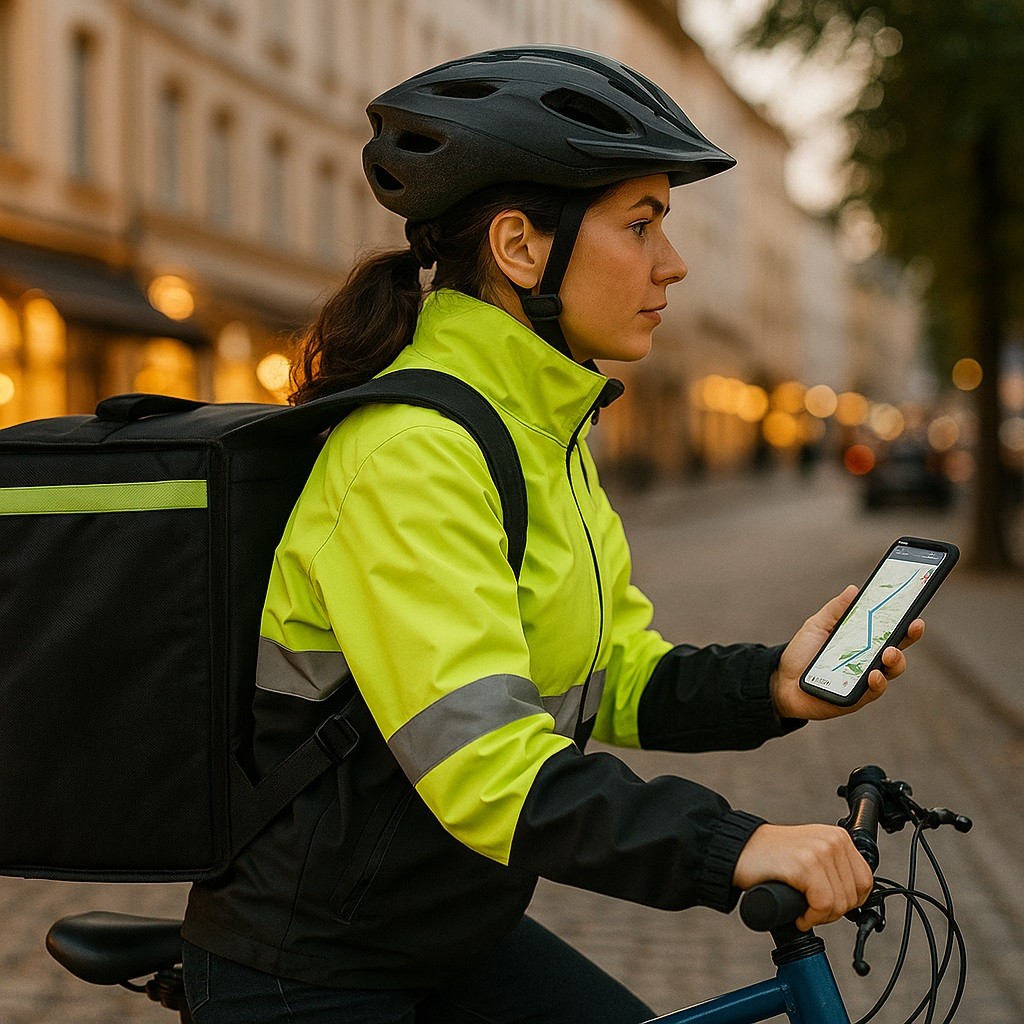
What You Can Earn (gross, before expenses)
Earnings vary by city, time of day, and your acceptance choices. Markets like Los Angeles can trend higher than average.
Gridwise’s 2025 analyses suggest typical Uber Eats gross hourly earnings often fall in the mid-teens to mid-$20s.
One report frames national averages around $13–$16/hour, while another comparison shows ~$17.72/hour base + ~$6.96/hour tips/bonuses.
Always check your own market in real time. Use the app’s upfront fares, heat maps, and promo hubs to target better hours and zones.
| Country/Region | Typical gross hourly (local currency) | Basis / notes |
|---|---|---|
| United States | $13–$16 avg; up to ≈$24.68 with tips + promos | Gridwise 2025 analyses of Uber Eats driver data (national). |
| Canada (national) | CA$20.11 avg | Indeed salary aggregation for Uber Delivery Driver. |
| Canada (British Columbia) | CA$20.88–CA$21.43 (engaged time minimum) | Provincial rule for app-based delivery/ride-hail workers; adjusted annually (engaged time = from accept to deliver). |
| United Kingdom | £9–£15 typical | Independent UK research roundup (pre-expense). |
| Australia | A$26–A$30 | Glassdoor (Melbourne A$26–28) + Indeed (A$30) snapshots. |
| France | €11.75 minimum (sector agreement) | National sector-wide minimum for platform delivery riders; separate media analysis shows many earn near this level. |
| Japan (Tokyo) | ¥1,351–¥2,205 | 2025 roundup of courier surveys/estimates for Tokyo. |
These are gross figures and can change with demand, tips, promotions (Surge/Boost/Quests), and local rules
Your Costs (and why “net” matters)
You are an independent contractor. You pay your own expenses like fuel, maintenance, tires, insurance, depreciation, phone/data.
The IRS 2025 standard mileage rate is $0.70/mile for business use.
It’s not a reimbursement from Uber; it’s a tax deduction framework. Consult a tax pro for your case.
Uber provides annual tax info (including 1099s where applicable) and a Tax Summary. You should track miles and expenses to prepare your return.
Insurance and Safety
While on delivery using a car in the U.S., Uber maintains commercial auto liability coverage that applies during defined delivery periods.
The exact coverage and when it applies depend on your online/acceptance/delivery status.
You still need your own personal policy and must follow local laws. Review Uber’s coverage page for details by state.
Alcohol orders (where available): You must verify ID and sobriety. Do not deliver to anyone under 21 in the U.S.
Gear and Setup
An insulated bag is recommended to protect food quality.
Uber says it’s optional, though some order types or merchants may require specific insulated bags.
Phone mount and charger keep navigation safe, and your phone powered. (General best practice.)
E-bikes and scooters can reduce fuel costs if local rules and Uber policies allow. Confirm your city’s options and requirements.
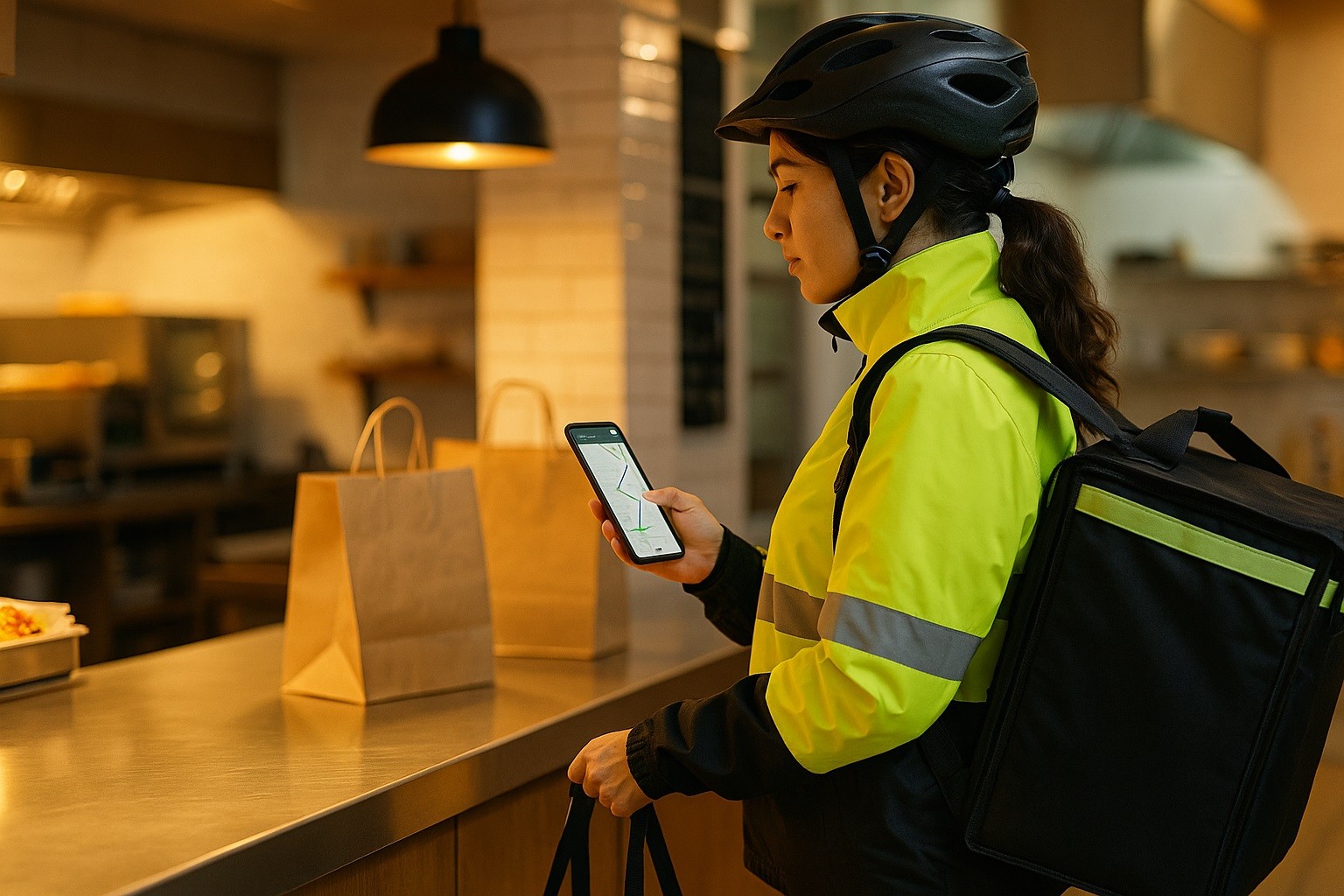
How To Maximize Your Time
An Uber Eats driver’s job guide explains how to work and gain more.
- Work peaks. Target lunch (roughly 11–2) and dinner (roughly 5–9), and weekends. Use the promo hub and live map to find Boost/Surge.
- Filter offers. Use upfront fares to favor orders with better dollars-per-mile and dollars-per-minute. You decide what to accept.
- Stack smart. Batched orders from the same restaurant can improve earnings per hour if the routing makes sense.
- Service matters. Clear handoff and fast routes can improve tips. Uber confirms tips are yours in full.
- Mind cash-out fees. If you use Instant Pay often, the $1.25 fee adds up. Consider weekly deposits or the Uber Pro Card’s free automatic payouts to keep more of your money.
Uber Eats Driver Job Application
Here is an application for Uber Eats driver jobs guide with simple steps.
- Check eligibility for your mode (age, license/ID, registration/insurance).
- Apply to the Uber Eats delivery job app and complete the screening.
- Upload documents and wait for activation.
- Set up payouts: add your bank for weekly deposits and enable Instant Pay if you want it.
- Go online. Start with short, nearby trips to learn your zone. Use upfront fares and promos to build your schedule.
Uber Eats Driver Jobs Guide: Bottom Line
After your Uber Eats delivery job application, expect variable gross earnings that depend on your city, timing, and choices.
Recent third-party analyses place typical U.S. gross anywhere from mid-teens to mid-$20s per hour, with a large share of income from tips.
Your net depends on miles driven and other costs; track everything and use the IRS mileage rate as a baseline for estimating expenses.