
If you want a reliable Sam’s Club credit card guide, this 2025 overview explains the cards available, the rewards math, and the fine print you should verify before applying.
You will learn how Sam’s Cash works on the co-branded Mastercard, what the store-only line can and cannot do, and how both relate to your membership tier.
By the end, you will know the requirements, the application routes, and the best ways to reach support or the main office if you need help.
What the Sam’s Club Credit Cards Are and How They Work
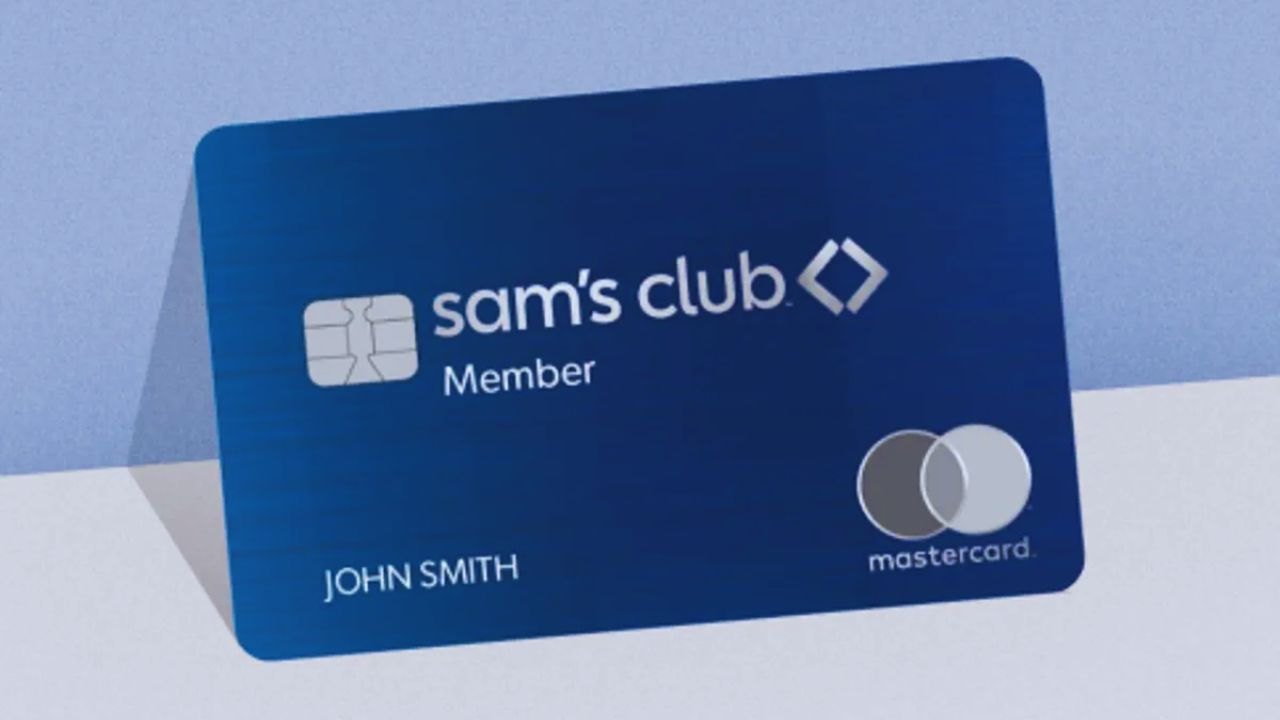
Sam’s Club issues two consumer lines with Synchrony: a Sam’s Club Mastercard accepted everywhere the network is honored and a Sam’s Club store card, primarily for Sam’s Club and Walmart.
The Mastercard earns Sam’s Cash on gas, dining ,and takeout, Sam’s purchases for members, and everyday spend, while the store card focuses on Sam’s ecosystem access without network-wide acceptance.

Both products have no separate annual fee, but you must keep an active Sam’s Club membership to open and maintain an account.
Synchrony and Sam’s materials confirm that membership is required and that benefits are tied to program terms that can change with market rates.
Mastercard vs. Store Card at a Glance
The Mastercard stands out for category bonuses and universal acceptance, which makes it a stronger daily driver for most households.
The store card can be useful if you want a line dedicated to Sam’s and Walmart purchases and prefer to keep general spending on a different issuer.
Rewards for Sam’s Cash accrue on eligible net purchases according to program rules, and redemption follows Sam’s timelines within your member account. Before choosing, decide whether you need out-of-club rewards or only a line for warehouse trips and in-club services.
Key Features and Everyday Benefits
Sam’s Club Mastercard holders earn 5% back on gas anywhere Mastercard is accepted up to the first $6,000 per calendar year and then 1%, plus 3% back on dining and 1% on other purchases.

Inside Sam’s Club, Plus members also earn an extra 2% Sam’s Cash on qualifying in-club purchases under the membership program’s separate cap, which can layer with card earnings on eligible transactions.
Both credit lines advertise zero fraud liability, online account management, and the convenience of using the card as your membership ID at checkout.
Because program terms evolve, always confirm the earning rules and caps posted in your account before you plan annual spend.
Rewards Structure and Earning Limits
The headline fuel category on the Mastercard is capped at $6,000 in gas purchases per year at 5%, after which the rate drops to 1% for the remainder of the year.
Dining and takeout earn 3% with no widely advertised annual cap, and general purchases earn 1% under standard program definitions of eligible net purchases.
Sam’s Cash posting and redemption follow the club’s published terms, and returns or credits reduce earnings because rewards apply to net spend.
Interest Rates, Fees, and the Grace Period
There is no annual fee on either Sam’s Club consumer credit line, but interest can be significant if you carry a balance.
The current Mastercard agreement shows purchase APRs that vary with the Prime Rate, listed as Prime plus 13.40% or Prime plus 21.40% depending on account type, which recently reflected representative APRs of 20.90% or 28.90%.
The store card agreement shows a purchase APR of Prime plus 21.40% with similar market variability, and both disclosures are updated periodically by Synchrony.
Why You Might Choose the Sam’s Club Card in 2025
Households that drive often, eat out regularly, and shop at the club each month can stack fuel, dining, and in-club benefits into a meaningful return.
The “no annual fee” structure on the credit line pairs well with a paid membership because you are not paying twice just to keep the card open.
Acceptance at Sam’s and Walmart is universal for both lines at the register, while only the Mastercard travels well outside the club for everyday use.
If you are already a Plus member, the 2% membership perk on eligible in-club purchases can combine with card earnings when the transaction qualifies.
Who Gets the Most Value From This Card
Drivers who spread fuel purchases across many brands benefit from 5% on gas on the Mastercard instead of being confined to one network.
Families that buy bulk groceries and household staples at Sam’s can see steady Sam’s Cash accrual, especially if they time large hauls when Plus earnings also apply.
Diners who use delivery or takeout frequently may find the 3% dining category adds up faster than general 1% cards with no annual fee. If you carry balances, the variable APRs make a lower-rate alternative or a payoff plan more important than chasing extra rewards.
How It Stacks Up Against Rival Warehouse Cards
In the warehouse category, the closest national competitor is Costco’s co-brand card, followed by the BJ’s One program issued by Capital One.

Costco’s Visa by Citi offers 5% on gas at Costco and 4% on other eligible gas and EV charging on a combined cap, plus 3% on restaurants and eligible travel, and 2% at Costco.
BJ’s focuses on an instant per-gallon fuel discount at BJ’s Gas rather than a percentage rebate, alongside in-club and other rewards that differ by card tier.
Sam’s Mastercard stands out for its 5% fuel rate usable at most stations that accept Mastercard up to the annual cap, which is attractive if you do not fuel exclusively within a single chain.
Picking a Winner for Your Spending Pattern
If you fuel almost exclusively at Costco, that card’s enhanced 5% at Costco pumps may edge out Sam’s in your specific routine.
If you mix stations or travel often, Sam’s ability to earn 5% at virtually any pump that takes Mastercard can generate more value on the same miles driven.
BJ’s can win if you live near its stations and prefer a predictable cents-off discount at the nozzle rather than a statement-tracked rebate later. Run last quarter’s receipts through each program’s categories to see which structure best matches where you actually spend.
Requirements to Apply for a Sam’s Club Credit Card
Applicants must hold an active Sam’s Club membership, supply a valid U.S. address, and pass Synchrony’s standard identity, credit, and affordability checks.
The issuer can approve you for the networked Mastercard or for the store-only line based on your credit profile and underwriting criteria.
Your assigned APR tier depends on the account type you qualify for, which is influenced by creditworthiness and other factors Synchrony evaluates.
Keeping membership data accurate and current helps avoid delays during verification and card activation.
What Synchrony Reviews During Underwriting
Synchrony reviews your credit reports, stated income, debt-to-income picture, and recent account behavior when setting limits and pricing.
Credit freezes can stall processing until you temporarily lift them, so plan ahead if you keep your files locked. If your profile meets the higher tier’s criteria, you are more likely to receive the lower APR structure published in the current disclosures.
Because the card doubles as your membership ID, the name and address on your membership should exactly match your application details.
How to Apply for the Sam’s Club Credit Card
Members can apply online through the Synchrony application flow linked from Sam’s Club or in person at the Member Services desk in-club.

The online route asks you to sign in with your membership, complete identity and income fields, and consent to a credit pull before instant or near-instant decisions.
In-club, an associate can key your application using your member number and identification, with decisions routed through the same Synchrony system.
In either channel, approved applicants receive activation instructions and access to online account management right away.
What to Do After Approval to Keep Things Smooth
Set up automatic payments to avoid interest and late fees, and download or save the pricing addendum that shows your assigned APR and fees.
Confirm your email and mobile contacts so you receive fraud alerts and statements, and enroll in text or app notifications for due dates. If you plan a large Sam’s purchase, review current Sam’s Cash caps and your Plus meter so you do not overestimate the rebate on a single trip.
For questions about activation, limits, or rewards posting, start with the help center and move to the card-specific phone lines as needed.
Managing the Account and Getting Customer Support
The help center consolidates credit topics, membership, and Sam’s Cash information, while Synchrony hosts the credit-account portal and card agreements.
For Consumer Mastercard servicing, the published phone number is 866-220-0254, and for Consumer Credit Services on the store line, the published number is 800-964-1917.
General membership phone renewals use an automated line, and the site also lists guidance on posting times, payment methods, and where to pay.
Keep the number on the back of your card handy for lost or stolen card support if you are away from your files.
Where to Find Sam’s Club’s Main Office
Sam’s Club lists its corporate headquarters in Bentonville, Arkansas, at 2101 SE Simple Savings Drive, which appears across official and local business references.
This address is appropriate for corporate correspondence but not for making payments or disputing card transactions, which should go to Synchrony’s addresses and channels.
If you need in-person club support, use your local club’s contact page rather than the corporate campus for faster help. Confirm mailing details on your statement before sending any written requests to ensure proper routing.
Conclusion
This Sam’s Club credit card guide shows that the Mastercard delivers broad everyday value with 5% fuel, 3% dining, and 1% general spend, while the store card keeps finances tidy for in-club shopping.
With the right card choice, disciplined payments, and a quick line to customer service, your Sam’s Cash can turn routine purchases into tangible savings throughout 2025.
Note: There are risks involved when applying for and using credit. Consult the bank’s terms and conditions page for more information.