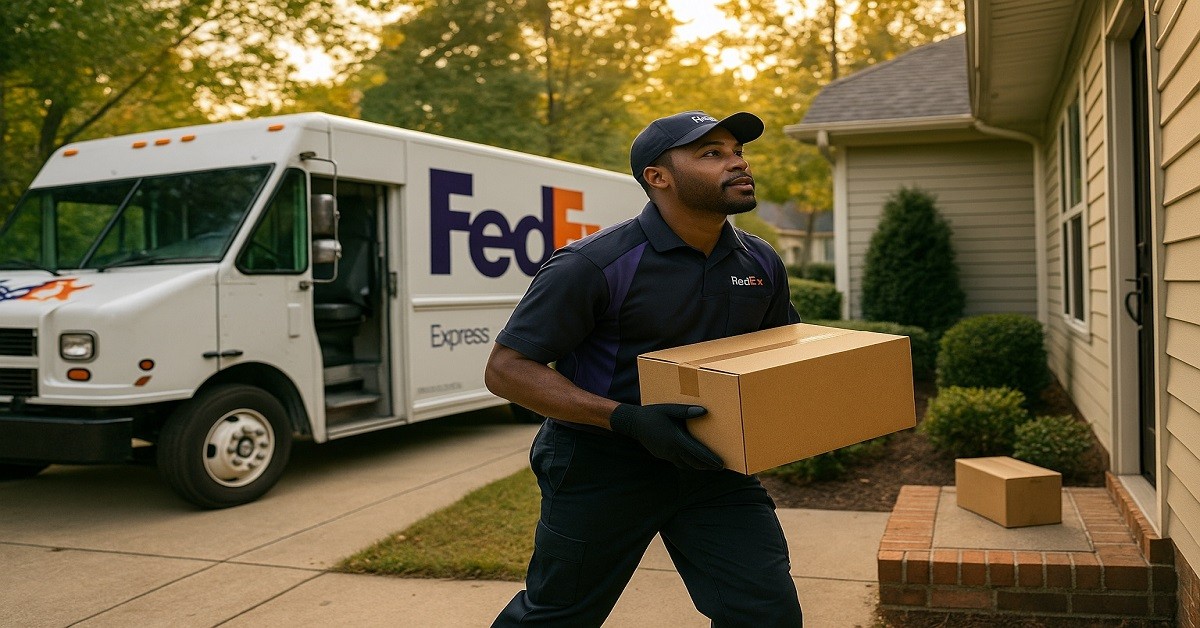
If you want a straightforward guide to delivery driver jobs in Europe, this article maps the market, the rules, and the application paths across the region.
You will learn why last-mile roles are expanding, what documents and licenses you need, and how to target reliable channels without wasting time. The focus stays on official resources and trusted guidance so you can act confidently from day one.
By the end, you will know where to look, how to qualify, and how to set yourself up for steady earnings.
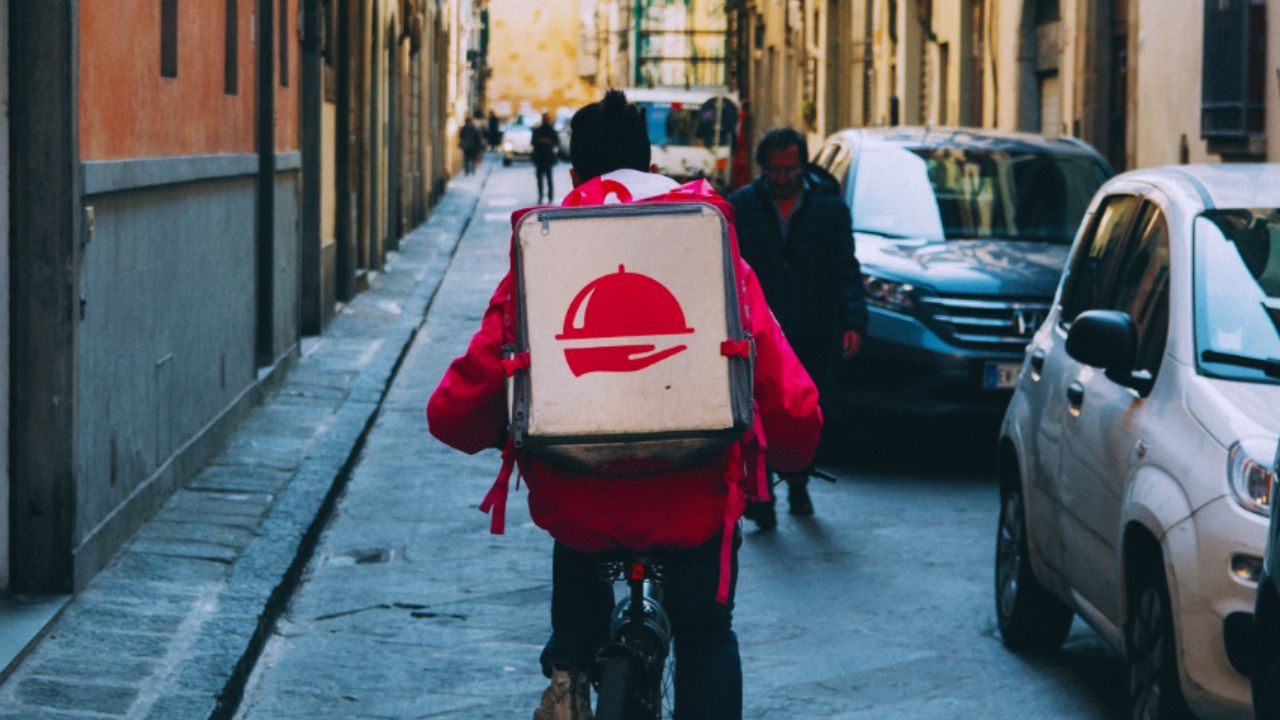
Europe’s Delivery Boom: Where the Jobs Are
Europe’s delivery ecosystem spans supermarkets, parcel carriers, quick-commerce platforms, and specialist couriers, and demand follows urban density and retail calendars.
Most entry-level roles use your own car, moped, cargo bike, or van, while heavier vehicles require stricter credentials and equipment.
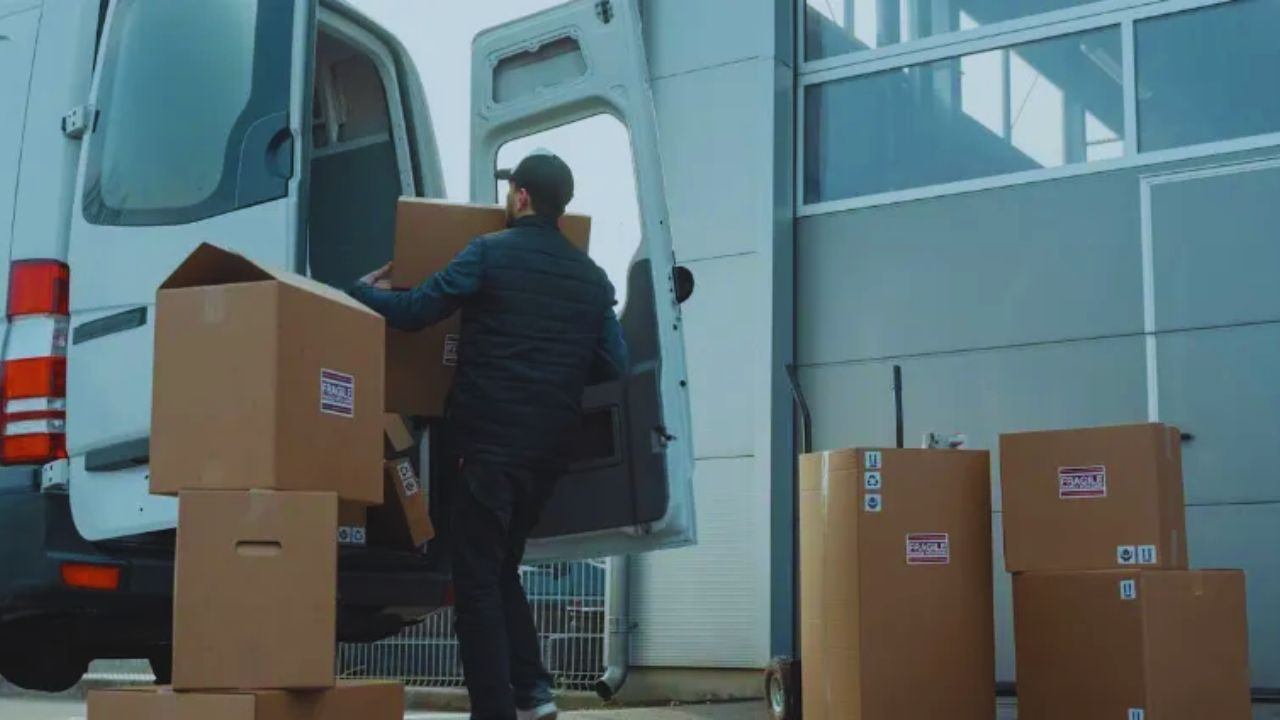
Markets with strong grocery e-commerce and dense city cores tend to release the most shifts during evenings and weekends.
Understanding this mix helps you decide whether to anchor your week around one brand or combine several apps.
How the Last-Mile Model Works Across the Region
Retailers and platforms post offers inside driver apps or staffing portals, and you accept work with clear time windows and pickup points.
Parcel routes are often preplanned in multi-hour blocks, while on-demand food and convenience orders drop continuously during peaks.
International carriers run fixed depots and compliance systems, especially for trucks and larger vans working cross-border. Your goal is to match your vehicle class and available hours to the channel that fits your city best.
Platforms, Retailers, and Traditional Carriers
Grocery chains and parcel brands supply predictable depot pickups, while platform marketplaces emphasize flexible, short trips close to where you are.
In many cities, you can pair a supermarket’s evening waves with lunchtime restaurant demand to smooth daily earnings.
Each model has different documentation and onboarding speed, but the core workflow remains pickup, navigate, deliver, and confirm. Reading each offer carefully is the fastest way to avoid cancellations and lost time.
Local, Regional, and Cross-Border Differences
Domestic city deliveries for cars, mopeds, and cargo bikes are the least regulated, while international goods transport requires additional rules and equipment.
Cross-border professional driving triggers EU-level tachograph, rest-time, and posting requirements for heavier vehicles and certain operations.
Since rules vary by mass, route type, and country, always check your target employer’s compliance page before committing. Relying on official guidance prevents surprises during screening or roadside checks.
Why You Should Consider European Driver Opportunities
Driving in Europe appeals to people who want schedule control with brand-name demand and a clear path from signup to first payout.

Cities concentrate orders, so you can work near home and keep dead miles low if you plan your sessions.
The best part is the range of entry points, from part-time food delivery to full-time parcel routes and professional haulage. If you prefer autonomy with measurable goals each shift, last-mile work fits well.
Flexibility and Predictable Demand
Apps let you choose windows that fit classes, caregiving, or a second job, and retailers publish reliable evening waves that repeat weekly.
European grocery and parcel volumes peak before dinner, on weekends, and during holidays, which you can treat as guaranteed earning windows.
Stacking predictable blocks with short on-demand bursts lifts your average without adding hours. The region’s urban density turns short trips into consistent completions.
Brand Scale and Professional Pathways
Large retailers and carriers maintain standardized procedures, training modules, and depot support, which smooths your first weeks.
Once you learn one route template, you can transfer that pattern to nearby depots or neighboring cities.
Drivers who enjoy structure can move toward lead driver, trainer, or depot coordination roles as volume grows. This ladder keeps you in the field while adding stability over time.
Earnings, Costs, and the Net Picture
Gross pay is only half the story, because fuel, maintenance, parking, and phone costs affect your bottom line.
Tracking miles and minutes reveals which neighborhoods and hours are worth repeating next week.
Dense areas with easy access and short parking walks often beat long highway loops for small vehicles. Treat time saved as income earned, because efficiency compounds in every city.
Requirements to Get European Driver Opportunities
Most entry-level roles ask for a right-to-work check, a valid driving license for your vehicle, and proof of insurance where required.

EU and EEA citizens can work in another EU country without a work permit under free-movement rules, while third-country nationals follow national permit pathways.
Your exact screening steps depend on vehicle mass and whether the job is domestic or cross-border. Reading official eligibility pages before applying prevents repeat submissions.
Right to Work, Identity, and Background Checks
Employers or platforms verify your identity, age, and authorization to work, then run screenings appropriate to the role.
Expect to submit a government ID, residency or visa proof when applicable, and sometimes a clean criminal record certificate under local law.
Company help centers list the documents they accept and the minimum smartphone OS for the driver app. Clear, matching details across documents keep onboarding moving.
Licences, Vehicle Categories, and Professional Credentials
For cars and small vans up to 3.5 tonnes, a Category B licence typically covers domestic deliveries, while mopeds and motorcycles use AM, A1, or A2, depending on power and age.
Heavy goods vehicles and buses require professional qualifications under Directive 2003/59/EC, including initial Driver CPC and periodic training.
When routes are international or fall under specific transport operations, tachograph and rest-time rules apply under the EU Mobility Package. Always match your licence class to vehicle mass and route type before you apply.
Tachographs, Rest Rules, and Equipment Thresholds
Smart tachographs are mandatory for many professional vehicles, and EU law has rolled out version updates that record border crossings and loading points.
Amending Regulation (EU) 2020/1054 links rest-time limits and positioning data to enforcement, and newer devices are phasing in across fleets.
Additional milestones introduce obligations for certain operations and vehicle sizes in international carriage and cabotage over time. If you plan to cross borders in heavier vehicles, confirm the exact tachograph and rest-time requirements before accepting work.
How to Apply for Delivery Driver Jobs in Europe
The safest path is to start with official channels and verified employers, then layer platform apps that are active in your city.

Europe’s public mobility portal lists cross-border vacancies and career advice in multiple languages.
Once you map demand and eligibility, you can submit targeted applications with the right licence and documents ready. This sequence speeds approvals and reduces back-and-forth.
Use the EURES Job Mobility Portal First
EURES, managed by the European Labour Authority, aggregates vacancies from national services and vetted employers across the European Economic Area.
You can filter by location, language, contract type, and experience, then contact EURES advisers for relocation questions.
Because listings are vetted through public employment services, scams are rare compared with random aggregator sites. Bookmarking EURES gives you a reliable baseline for regional searches.
Apply Through Company and Platform Pages
Retailers, carriers, and marketplaces run their own onboarding flows with clear lists of documents, devices, and vehicle types allowed.
Requirements typically include right-to-work evidence, a compatible smartphone, bank account details, and proof of insurance where needed.
Some brands specify minimum age and no unspent convictions, and they outline shopping or delivery workflows during training. Reading these pages closely sets expectations and shortens your first day in the field.
Prepare for Onboarding, Banking, and First-Week Routines
Set up payouts correctly the first time by checking account numbers, then review app help articles on offers, tips, and issue handling.
Plan your first shifts at quieter times to learn depot layouts, parking access, and documentation steps without pressure.
Keep notes on travel times, elevator codes, and store procedures so subsequent shifts run faster. A tight first week becomes the template for repeatable earnings.
Upgrade Your Odds: Skills, Planning, and Local Insight
Beyond paperwork, success comes from reading your market, planning smart, and polishing the small habits that save minutes.

Dense European cities reward drivers who think ahead about parking, building access, and elevator timing.
Treat every day as a loop you can tighten, not just a list of stops to finish. Over a month, these incremental gains raise your average more than any single bonus.
Time Windows, Neighborhoods, and Parking Reality
Chart when supermarkets drop evening waves, when parcel depots release morning routes, and where restaurant districts surge for lunch.
Favor zones with legal, quick parking and short door distances to reduce wasted steps and parking stress.
If a neighborhood constantly adds delays, swap it out for a zone with faster handoffs next week. Your map becomes a living playbook you refine after every shift.
Communication, Photos, and Customer Confidence
Short, clear messages solve access issues before they become reattempts, and clean delivery photos prevent unnecessary support tickets.
Follow brand photo guidelines and include context so recipients can see the exact placement without confusion.
Courteous handoffs and accurate notes protect ratings and retention on curated platforms. Small touches compound into stronger weekly totals.
Efficiency Without Expensive Gear
A sturdy phone mount, a fast car charger, and a couple of trunk bins cover most needs for small vehicles. Keep wipers, lights, and tire pressure in shape so rain or night routes do not slow you down.
For mopeds and bikes, reflective clothing and waterproof covers keep you working through light weather. Focus on habits first, then add gear only when it measurably saves time.
Conclusion
You came for a practical delivery driver jobs Europe guide, and now you have a roadmap from eligibility to earning with official checkpoints along the way.
With clean documentation, smart timing, and disciplined routines, you can turn Europe’s delivery boom into consistent income while staying compliant and in control.